
There is a particular kind of exhaustion that doesn’t show up on a blood panel.
It’s the kind where you go through the motions — the meetings, the meals, the conversations — and somewhere in the middle of it all, realize you haven’t actually felt anything in a while. Not joy. Not grief. Not even the low-grade irritation that at least lets you know you’re present.
Emotional disconnection is quiet. It doesn’t announce itself. It just slowly turns the volume down on your inner life until one day you notice the silence.
This is what we see in a lot of the people who come to us. Not crisis. Not collapse. Just a slow erosion of contact — with themselves, with others, with the parts of their lives that used to feel meaningful.
And it is, in our experience, one of the hardest things to treat in a one-on-one room.

When emotions go offline, connection suffers
Emotional shutdown is rarely a choice. It’s a survival response — the nervous system’s answer to years of stress, loss, caregiving, or simply the cumulative weight of being a person in a demanding world.
For many people, the disconnection started so gradually they can’t name when it happened. They just know that somewhere along the way, feeling things started to feel dangerous. Or exhausting. Or pointless.
The clinical term is alexithymia — difficulty identifying and describing emotional states. But the lived experience is simpler than that: you know something is wrong, you just can’t get to it.
Burnout often lives here too. What looks like apathy or lack of motivation is frequently an emotional system that has been running on empty for so long it’s stopped sending signals. The body has gone quiet because quiet felt safer than the alternative.
Why shame, specifically, needs community to dissolve
If disconnection is the presenting symptom, shame is usually what’s underneath it.
Shame is not the same as guilt. Guilt says I did something wrong. Shame says I am something wrong. And unlike guilt — which can be addressed through accountability and repair — shame thrives in isolation. It grows in the dark, in the parts of ourselves we’ve decided are too much, too broken, or too strange to bring into the room.
Individual therapy can name shame. It can contextualize it, trace it back to its origins, help a person understand why they carry it.
But shame dissolves in relationship. And that is something a group can offer in a way that even the most skilled individual therapist cannot replicate alone.
When someone says something they’ve never said out loud — something they were certain would cause the people around them to recoil — and instead they are met with recognition, with me too, with quiet and steady presence — something shifts. Not immediately. Not completely. But it shifts.
That is not a technique. It is not a curriculum. It is what happens when human beings are genuinely witnessed by other human beings.
How group allows clients to practice vulnerability safely
One of the things we hear most often from people who are new to group work is some version of: I don’t want to take up space.
It’s a remarkable thing to say. And it is almost always said by people who have spent years making themselves smaller — who have learned, in explicit or implicit ways, that their needs were inconvenient, their feelings were too much, their presence was conditional on being useful.
Group work is, among other things, a place to practice taking up space.
Not performing. Not presenting a curated version of yourself that you think will be acceptable. Actually being present — uncertain, unresolved, in-process — and discovering that you are still welcome.
This kind of practice matters because insight alone doesn’t change behavior. You can spend years in individual therapy understanding exactly why you abandon yourself in relationships and still do it, because understanding happens in the mind and the pattern lives in the body, in the nervous system, in the automatic responses that fire before you’ve had a chance to think.
Group work is a social laboratory. It is a place where the relational patterns that keep people stuck don’t just get talked about — they show up, in real time, between real people. And when they do, they can be worked with directly.
Why being witnessed by others changes long-standing patterns
There is something that happens in the presence of a group that doesn’t happen anywhere else.
It’s not just support, though support is part of it. It’s not just shared experience, though that matters enormously. It’s something closer to what developmental psychologists call co-regulation — the way one nervous system can settle another, the way presence itself is a form of medicine.
When someone who has spent their whole life bracing for rejection brings the most tender, frightened, unpolished part of themselves into a group — and the group holds it — the brain begins to update its model of what relationship is.
This takes time. It takes repetition. It is not linear. But it is real, and it is lasting in a way that information alone rarely is.
Long-standing patterns — the ones rooted in early attachment, in shame that was absorbed before there were words for it — don’t shift through understanding alone. They shift through experience. Through the slow accumulation of moments where the thing you feared didn’t happen. Where you were seen and not abandoned. Where you stayed, and it was safe to stay.
That is what group makes possible.
If this resonates
Emotional disconnection, burnout, and shame are not character flaws. They are the residue of lives lived under pressure, in bodies that have been working hard to protect you.
If you’re feeling disconnected from yourself or others, our process groups offer a space to begin reconnecting — not through a plan or a program, but through the oldest form of healing there is: being in honest relationship with other people who are trying to do the same thing.
We currently offer an Interpersonal Process Group and a Larger Bodies Process Group for people who are ready to stop managing their inner life alone.
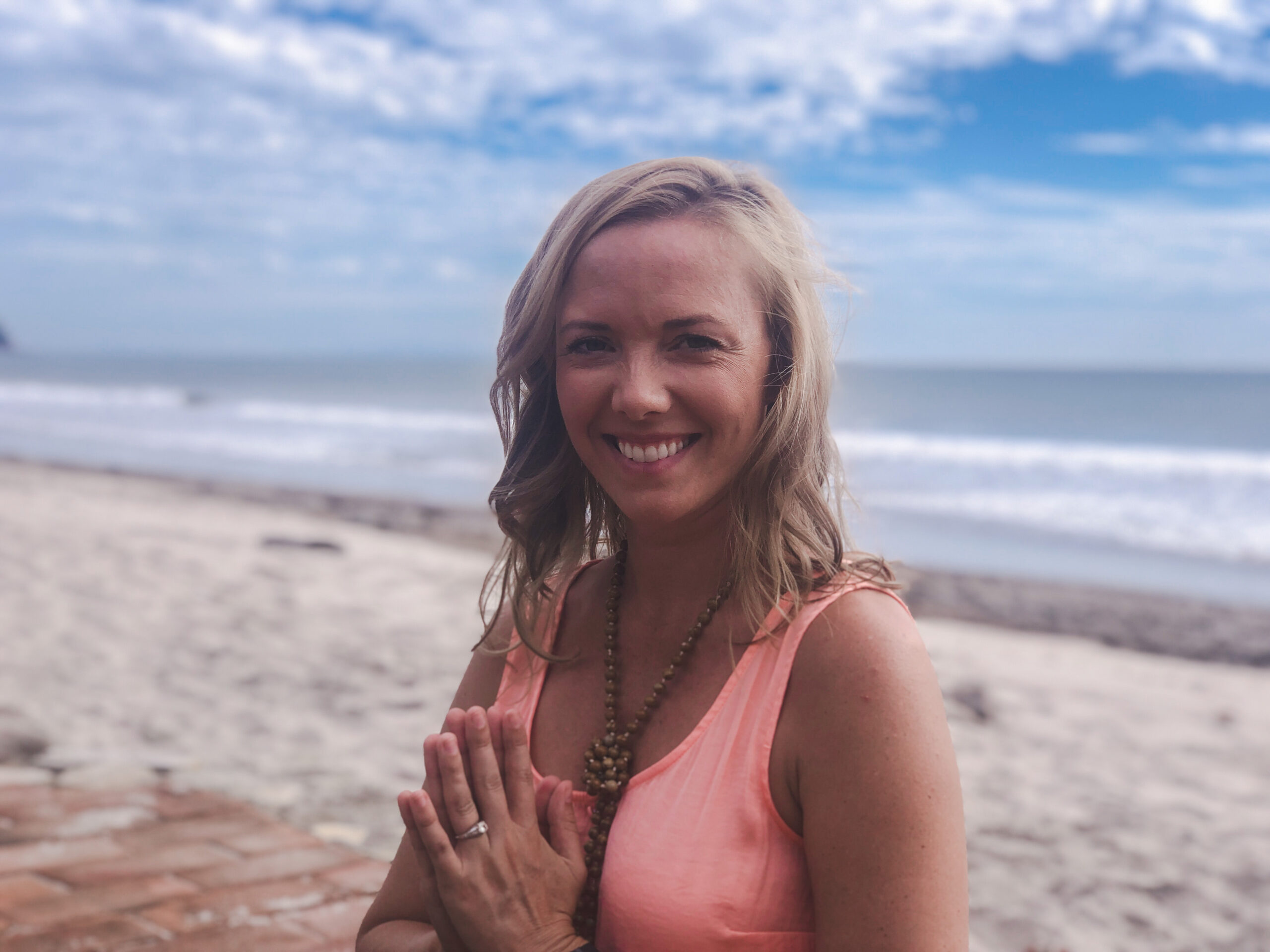
Ashley is the blog writer and social media manager for JLewis Therapy.
Join Our Mailing List
Maybe you don't need counseling right now, but how about getting tips from a professional every now and then?
Latest Posts





Telehealth is Available!
Do not emotionally distance while you are physically distance, J Lewis Therapy is here to help.