Anorexia Therapy in Atlanta, Sandy Springs & Decatur
We take a personalized approach to talk therapy because we believe that every individual experiencing anorexia is unique.
Clinically Reviewed by Our Certified Eating Disorder Specialists (CEDS)
What is Anorexia?
The Mayo Clinic describes Anorexia as "an eating disorder characterized by abnormally low body weight, an intense fear of gaining weight, and a distorted perception of weight." Those experiencing Anorexia often have a very rigid approach to weight and shape, which results in extreme measures like food restriction, excessive exercise, and other methods like diet aids, diuretics, or enemas.
Physical symptoms include very low body weight, anemia, heart problems, bone loss, a lack of period in females, low testosterone in men, digestive concerns, and more. Due to some people's natural body composition, though, some individuals may not appear as thin as we may envision. Mental symptoms include emotional and behavioral issues due to a lack of nutrients as well as the concerns that Anorexia is covering up.
We believe that Anorexia is not about the food and one's appearance. This is the external manifestation of the inability to cope with emotional problems like family and interpersonal distrust and the inability to access emotions. It is a way to exert perfectionism on yourself to control what can't be controlled.
Who Is Anorexia Therapy For?
We work with clients experiencing anorexia in any form.
You may relate if:
- You feel a sense of control or safety in restricting food, even when it's hurting you
- You feel alone in your relationship to food and your body
- You feel consumed by food/body
- You wish to be social but feel paralyzed to eat out
- Food rules and rituals take up more mental space than you'd like
- You've been told you "don't look sick enough" for anyone to take your struggle seriously
- Compliments about your body feel more like pressure than praise
- You're exhausted from managing the rules you've built around eating
J Lewis Therapy is an Inclusive Therapy Practice.
We serve clients of multiple marginalized identities honoring the diverse backgrounds, identities, and lived experiences each person brings into the room.
Ages & Stages
- Adolescents 14+
- College-Age
- Adults in Their 20s & 30s
- Midlife Adults
- Older Adults
Backgrounds & Identities
- Races
- Genders
- LGBTQIA+
- Religions
Anorexia Therapists at J Lewis Therapy
Real change takes real time.
We're here for the long haul.
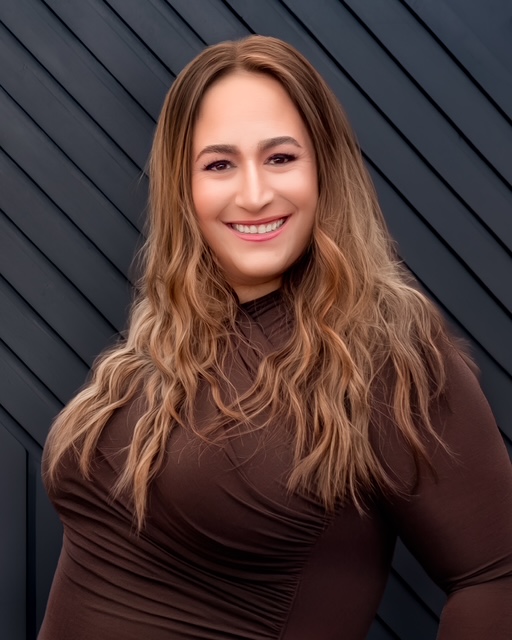
Our team includes clinicians trained in eating disorder treatment, bringing our shared long-term, psychodynamic approach to every session.



Our Approach to Anorexia Therapy
We help you release the rigidity you hold over yourself to experience food freedom and body acceptance.
During therapy for Anorexia, we work with you to step outside the safety box, learn how to better access emotions, and build strong interpersonal relationships.
Group Therapy for Anorexia
While we find that those seeking therapy for Anorexia do best in individual therapy, we always recommend participating in group sessions to build community with others who have had similar experiences.
Long-Term Therapy
We also believe that, for best, long-lasting change, therapy is a long-term commitment. When you commit to putting in the work to challenge your preexisting beliefs and find freedom outside the refuge that Anorexia provides you, we commit to helping you through it.
Two Atlanta offices — or wherever you are virtually.



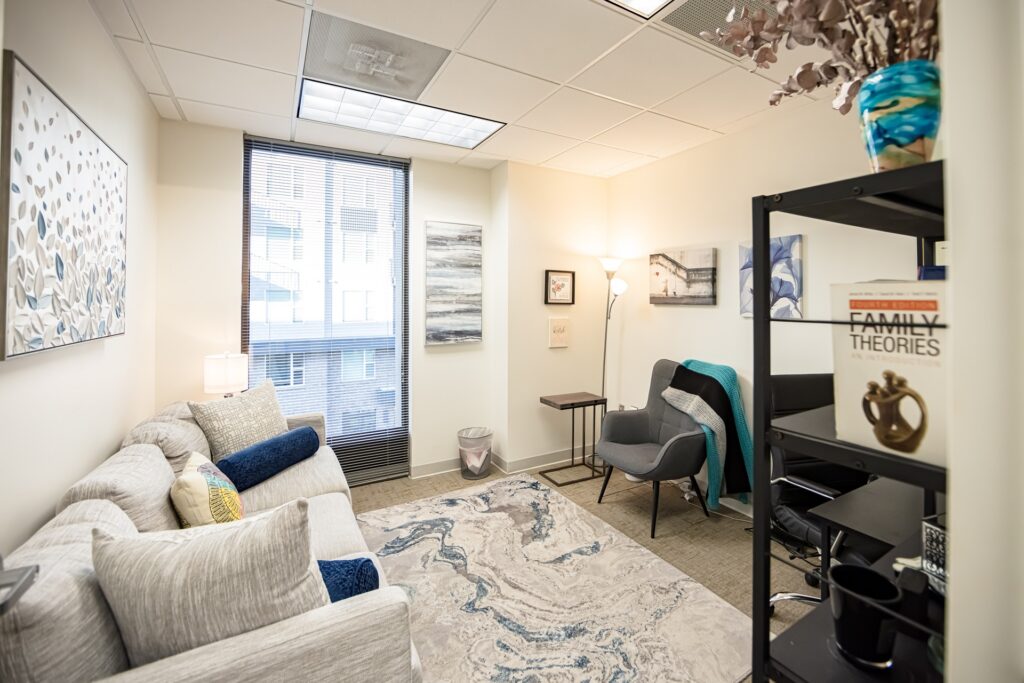
Step inside our spaces —
a place for healing work.
Whether you meet with us in person or online, you’ll find a calm, private space built for the honest, long-term work of therapy. We offer individual, couples, family, and group sessions at our Sandy Springs and Decatur offices, and by telehealth.
Getting Started with Anorexia Therapy: What to Expect
Intake Form
Complete your intake form — a short online form before your first session.
Attend Your First Session
A one-hour session, getting to know each other, your goals, and why now feels like the right time.
Ongoing Sessions
Begin long-term, relational therapy with ongoing sessions that run 45 minutes.
Secure Payments
Payment Handled Securely — a card kept on file through our secure system
Frequently Asked Questions About Anorexia Therapy
Physical signs include very low body weight, anemia, heart problems, bone loss, and digestive concerns. Mental and behavioral signs often stem from a lack of nutrients, along with the emotional concerns Anorexia can cover up.
No — we believe Anorexia is the external manifestation of difficulty coping with emotional problems, like family and interpersonal distrust, and an inability to access emotions.
About 0.8% of U.S. adults will experience Anorexia in their lifetime, according to one of the largest national studies of its kind — though it has the highest mortality rate of any eating disorder, making early treatment especially important.
Yes. With committed, long-term support, people recover from Anorexia and build a lasting, healthier relationship with food and their bodies. Recovery isn't a straight line, but it is possible.
Those seeking therapy for Anorexia typically do best in individual therapy, though we always recommend participating in group sessions too, to build community with others who've had similar experiences.
Yes — all of our clinicians offer telehealth for Anorexia therapy sessions, however, we believe working on your relationship with your body would benefit from in person sessions as often as possible.
We're not in-network with insurance providers, but we can provide a superbill you can submit to your PPO for potential reimbursement.
If you or a loved one needs a higher level of care — like a residential or intensive outpatient program — we offer dedicated Eating Disorder Consulting for families and loved ones navigating that search.
Our Resources page has a curated list of books and other resources for eating disorder support.
If You Need Immediate Support for Anorexia
If you or someone you love is struggling with an eating disorder and needs help finding care right now, the National Alliance for Eating Disorders helpline is free and staffed by licensed therapists: 866-662-1235 (Monday–Friday, 9am–7pm EST).
Ready to Start Therapy for Anorexia in Atlanta, Georgia?
We help you release the rigidity you hold over yourself to experience food freedom and body acceptance.
Email jill@jlewistherapy.com or call 347-718-2681.