Food Addiction Therapy in Atlanta, Georgia
Are you struggling to make sense of your relationship with food?
We'll work together to explore the connections between food, body image, emotions, relationships, and past experiences. Through this process, you'll begin to understand the patterns that keep you stuck, make sense of what you've been carrying, and develop a healthier relationship with yourself and food.
Clinically Reviewed by Our Certified Eating Disorder Specialists (CEDS)
What is Food Addiction?
Food addiction describes a relationship with food that feels compulsive: intense cravings, eating more than you meant to, and repeated attempts to cut back that don’t stick. It isn’t an official diagnosis. Research published by the NIH notes that food addiction isn’t recognized as an eating disorder in the DSM-5 or ICD-11, though it’s often measured with the Yale Food Addiction Scale. Still, for many people, the label matches how it feels, and that experience deserves to be taken seriously.
Food addiction often shows up as confusion about your relationship with food. That can look like feeling out of control around certain foods, eating in secret, cycling between restricting and overeating, or carrying shame about your body. Over time, it can affect your mood, your relationships, and how you show up in your life.
We believe food addiction isn’t about willpower, and it isn’t really about the food. It’s about what food has been doing for you, whether that’s soothing, numbing, or filling a need that hasn’t been met elsewhere. That’s why we explore food, body, mind, relationships, and trauma together, through a weight-neutral lens, so you can stop feeling confused and begin to process what your experiences have brought you.
Who Is Food Addiction Therapy For?
Food Addiction Therapy is for anyone struggling with:
- Cravings for specific foods, even when you're not physically hungry
- Feeling unable to stop eating, or eating past the point of comfort
- Guilt or shame after eating certain foods
- Eating in secret, or hiding food from others
- Repeated, failed attempts to cut back on certain foods
- Irritability, anxiety, or restlessness when trying to reduce intake
J Lewis Therapy is an Inclusive Therapy Practice.
We serve clients of multiple marginalized identities honoring the diverse backgrounds, identities, and lived experiences each person brings into the room.
Ages & Stages
- Adolescents 14+
- College-Age
- Adults in Their 20s & 30s
- Midlife Adults
- Older Adults
Backgrounds & Identities
- Races
- Genders
- LGBTQIA+
- Religions
Food Addiction Therapists at J Lewis Therapy
Real change takes real time. We're here for the long haul.
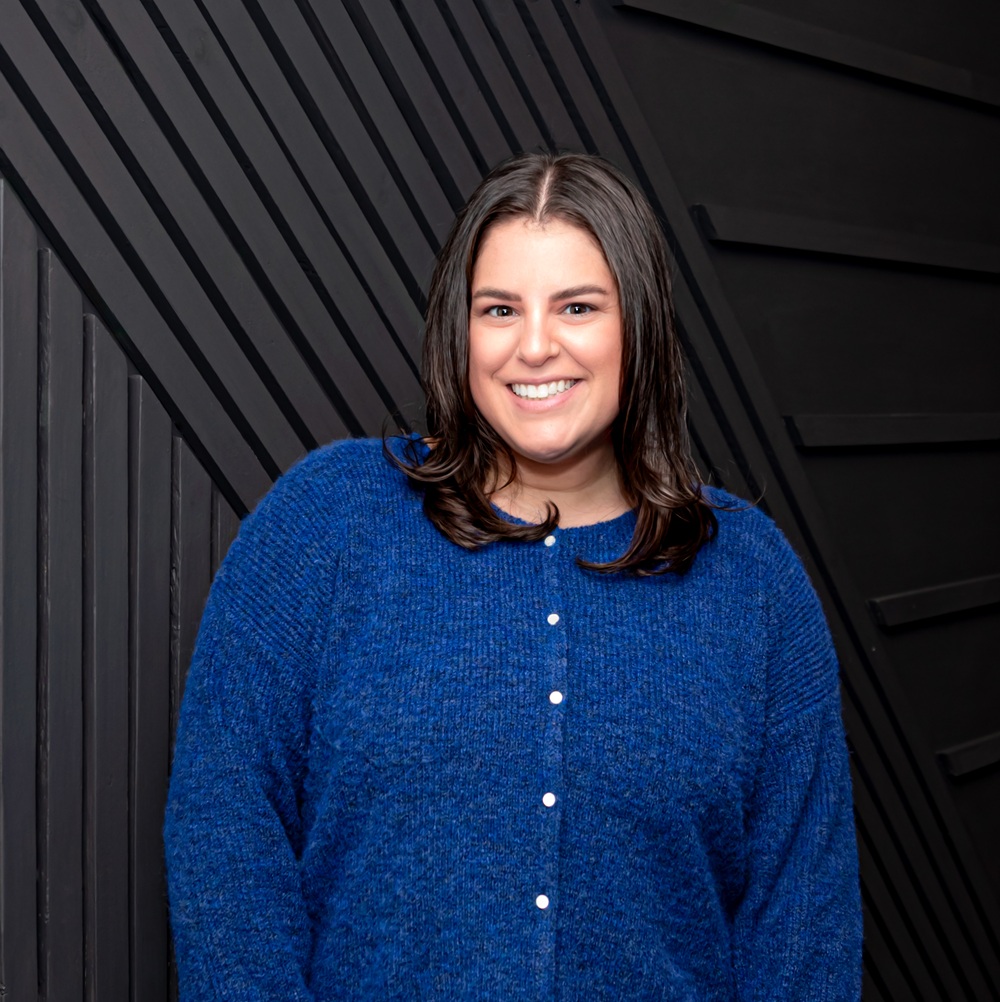
Our team includes clinicians trained in eating disorder treatment, bringing our shared long-term, psychodynamic approach to every session.



Our Approach to Food Addiction Therapy
We would be honored to help you sort through the pain to name your struggle leading you to a complex relationship to food.
At J Lewis Therapy, we don't subscribe to the idea of food addiction. Healing from addiction requires abstaining from the behavior. However, because you can't remove a type of food in a healthy way (excluding medical needs), we don't believe this is an accurate term.
Group Therapy for Food Addiction
While we find that those seeking therapy for Food Addiction do best in individual therapy, we always recommend participating in group sessions to build community with others who have had similar experiences.
Long-Term Therapy
We also believe that, for best, long-lasting change, therapy is a long-term commitment. When you commit to putting in the work to rethink the complexities of food, body, and your past, you can emerge with a balanced approach to food and your past experiences.
Two Atlanta offices — or wherever you are virtually.




Step inside our spaces —
a place for healing work.
Whether you meet with us in person or online, you’ll find a calm, private space built for the honest, long-term work of therapy. We offer individual, couples, family, and group sessions at our Sandy Springs and Decatur offices, and by telehealth.
Getting Started with Food Addiction Therapy: What to Expect
Intake Form
Complete your intake form — a short online form before your first session.
Attend Your First Session
A one-hour session, getting to know each other, your goals, and why now feels like the right time.
Ongoing Sessions
Begin long-term, relational therapy with ongoing sessions that run 45 minutes.
Secure Payments
Payment Handled Securely — a card is kept on file through our secure system.
Frequently Asked Questions About Food Addiction Therapy
Not exactly — we don't subscribe to the idea of food addiction as a clinical concept, since healing from addiction typically requires abstaining from the behavior, and you can't remove food from your life the way you would a substance. We focus instead on helping you name and understand your complex relationship to food.
We partner with you to explore food, body, mind, relationships, and trauma, helping you process what your experiences have brought you rather than applying a one-size-fits-all label.
"Food addiction" isn't a formal diagnosis, so there's no official prevalence data — but research on addiction-like eating patterns suggests roughly 1 in 5 people screen positive on standard questionnaires, meaning a complex relationship with food is far more common than most people realize.
We believe therapy is a long-term commitment — putting in the work to rethink the complexities of food, body, and your past leads to a more balanced, lasting outcome.
Yes. With support, people build a more balanced, less confusing relationship with food, their bodies, and their past experiences. Recovery isn't a straight line, but it is possible.
Yes — all of our clinicians offer telehealth for Food Addiction therapy sessions; however, we believe working on your relationship with your body would benefit from in person sessions as often as possible.
We're not in-network with insurance providers, but we can provide a superbill you can submit to your PPO for potential reimbursement.
If you or a loved one needs a higher level of care — like a residential or intensive outpatient program — we offer dedicated Eating Disorder Consulting for families and loved ones navigating that search.
Our Resources page has a curated list of books and other resources for eating disorder support.
If You Need Immediate Support for Food Addiction
If you or someone you love is struggling with an eating disorder or a complex relationship with food and needs help finding care right now, the National Alliance for Eating Disorders helpline is free and staffed by licensed therapists: 866-662-1235 (Monday–Friday, 9am–7pm EST).
Ready to Start Therapy for Food Addiction in Atlanta, Georgia?
Life is too short to stay stuck in a pattern that doesn't serve you.
We'll partner with you to explore food, body, mind, relationships, and trauma so you can stop feeling confused and begin to process what your experiences have brought you.
Email jill@jlewistherapy.com or call 347-718-2681.